 Wongyal Travels
Sikkim and Darjeeling Honeymoon Guide: Romantic Places and Sample Itinerary
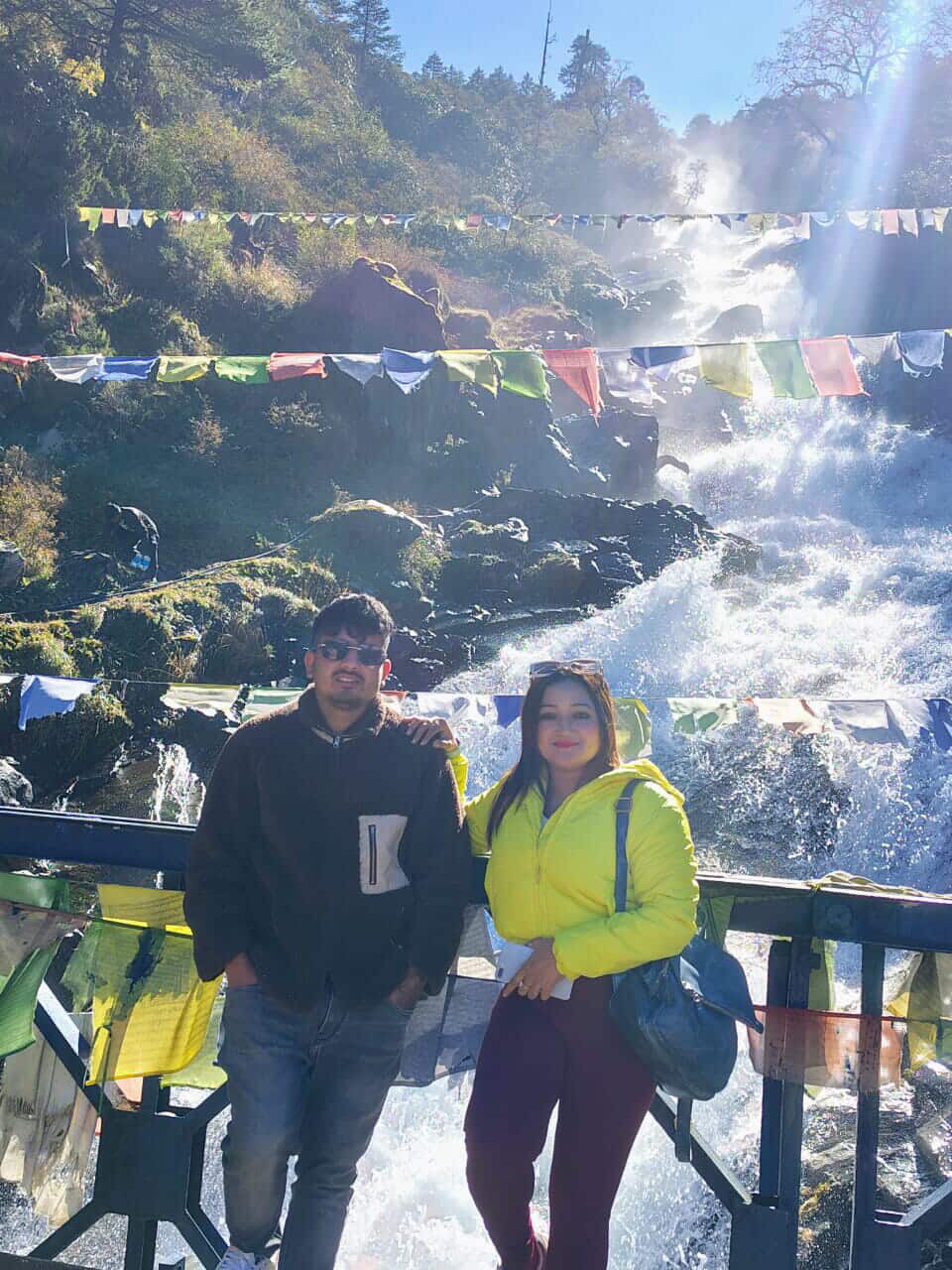
A Sikkim and Darjeeling honeymoon is best done over six to eight nights in spring (mid-March to May) or autumn (October to November), pairing Gangtok, a quiet ridge town like Pelling or Ravangla, and Darjeeling, all linked by a private cab. Spring brings rhododendron blooms and mild 15 to 22 degree days; autumn delivers the crispest post-monsoon skies and the clearest views of Kanchenjunga.
We are a family-run team based in Gangtok, and we have driven honeymoon couples across these hills for about eleven years. This guide covers the season that suits you, why a private vehicle matters when it is just the two of you, the permits and which ones apply to Indian versus foreign passport holders, the most romantic places to build your trip around, and a day-by-day sample itinerary you can adapt to your own pace.
Best season for a Sikkim and Darjeeling honeymoon
Two windows stand out. Spring, from mid-March to May, is the romantic favourite: the rhododendron forests are in bloom (peak flowering usually falls in mid to late April), afternoons in Gangtok sit around a gentle 15 to 22 degrees, and the valleys are lush and green. Autumn, October to November, is the other sweet spot; the air is washed clean after the rains, so this is when Kanchenjunga shows itself most reliably at sunrise.
We honestly ask couples to avoid the monsoon, roughly mid-June to September. NH10, the lifeline highway along the Teesta river, is prone to short landslide closures then, and a cloudy Tiger Hill sunrise is a real anticlimax on a honeymoon. Winter, December to February, is cold but clear and quietly romantic; Tsomgo Lake often freezes and you may catch snow at the higher elevations, though Nathula Pass itself frequently closes in deep winter and a few North Sikkim roads can get tricky. If snow is your dream, come in January; if flowers and easy weather are, come in April.
Why a private cab makes the difference for couples
Sikkim and Darjeeling are road-trip destinations from start to finish. There is no railway into the hills; you arrive at New Jalpaiguri (NJP) station or Bagdogra airport near Siliguri and drive up, roughly 120 km and four to five hours to Gangtok, or a similar run to Darjeeling.
The usual budget option is a shared jeep with ten strangers packed in, on a fixed route and a fixed clock. On a honeymoon that is exactly what you do not want. A private vehicle means the back seat is yours, you stop for photos at the Teesta viewpoints or a roadside momo stall whenever you feel like it, and you set your own pace for a lazy morning. Just as important, these are steep, hairpin roads, and a local driver who reads NH10's moods and weather is worth a great deal. It also keeps the permit and vehicle paperwork off your plate, which is the kind of trip we run.
Permits, and which ones apply to you
This depends entirely on your passport, so read the part that fits you.
Indian nationals: You do not need a permit for the towns, but you do need one for the protected border areas, meaning Tsomgo (Changu) Lake, Baba Mandir and Nathula Pass. Your operator arranges these against a photo ID (Aadhaar, Voter ID or passport) and a couple of passport photos. Nathula is special: it is open to Indian nationals only, runs Wednesday to Sunday and stays closed on Monday and Tuesday, and needs its own separate permit applied for two to three days ahead.
Foreign nationals (and, for Nathula, NRIs and OCIs too): You need a Restricted Area Permit just to enter Sikkim, plus a Protected Area Permit for spots like Tsomgo Lake, which is issued for a single day and requires you to travel as a group of at least two with a registered guide. As of 12 January 2026 this process has moved fully online through the e-FRRO system. Note clearly: foreigners, NRIs and OCIs are not permitted at Nathula Pass, Baba Mandir or Gurudongmar Lake. Darjeeling, being in West Bengal, needs no special permit for anyone.
The most romantic places to build your trip around
- Tsomgo (Changu) Lake, 12,313 ft / 3,753 m: a glacial lake about 40 km from Gangtok that mirrors the sky and freezes over in winter; couples love the quiet and the short yak rides along the far bank.
- Nathula Pass, about 14,140 ft / 4,310 m (Indian nationals only): the actual India-China border, roughly 54 km east of Gangtok, dramatic and often snowbound.
- Gangtok, 5,410 ft / 1,650 m: end the day with an unhurried walk down the pedestrian-only MG Marg and a cable-car ride over the ridge.
- Pelling, around 7,050 ft / 2,150 m: this west-Sikkim ridge faces Kanchenjunga almost head-on, arguably the best mountain view in the state; pair it with the old Rabdentse ruins and Sangacholing monastery.
- Ravangla, around 7,000 ft: a peaceful south-Sikkim option with the serene Buddha Park and its 130-ft copper statue, lovely if you want stillness over a packed sightseeing list.
- Darjeeling and Tiger Hill, 8,500 ft / 2,590 m: the classic sunrise point where the world's third-highest peak, Kanchenjunga (28,169 ft / 8,586 m), lights up gold before the valleys below do.
A sample honeymoon itinerary (7 days, 6 nights)
Treat this as a template, not a rule; we shape it around your flight times and how fast or slow you like to travel.
- Day 1: Land at Bagdogra or reach NJP, then drive up to Gangtok (4 to 5 hours). Rest and stroll MG Marg in the evening.
- Day 2: Full-day excursion to Tsomgo Lake and Baba Mandir, adding Nathula Pass if you are Indian and it is a Wednesday to Sunday. Back to Gangtok by evening.
- Day 3: Scenic drive to Pelling, with an optional stop at Ravangla's Buddha Park on the way.
- Day 4: Pelling at leisure, Kanchenjunga at dawn from your hotel, plus the Rabdentse ruins, Sangacholing and the skywalk.
- Day 5: Long, pretty drive across to Darjeeling; settle in and walk the Mall Road.
- Day 6: Pre-dawn start for the Tiger Hill sunrise, then the Batasia Loop, a toy train joyride and a working tea garden.
- Day 7: Slow morning, then drive down to NJP or Bagdogra for your onward journey.
Add a night in Ravangla, or, if you have more time, North Sikkim's Lachung and the Yumthang valley, and this stretches comfortably to eight or nine nights.
Practical tips from the ground
- Book early for peak season. For April to May and October to November, lock in hotels and permits three to four weeks ahead; the good rooms and Nathula slots go first.
- Respect the altitude. Tsomgo and Nathula are high; move slowly, drink water, skip heavy alcohol the night before, and carry a light down jacket even in summer. If either of you has breathing or heart trouble, tell us so we can plan gently.
- Carry your papers. Bring several photocopies of your ID (passport for foreign guests) and a few passport-size photos for the permits.
- Keep some cash. ATMs thin out beyond Gangtok and Darjeeling, and a few viewpoints do not take cards.
- Expect patchy signal. Postpaid SIMs work best in the hills; data drops near Tsomgo and the higher passes, which honestly suits a honeymoon.
- Leave a buffer. In shoulder weather, keep your last night close to NJP or Bagdogra so a brief NH10 closure never threatens your flight.
Planning it, made simple
The nicest thing about these hills is how forgiving they are of a slow, unstructured honeymoon; you do not need to chase every viewpoint. Pick your season, choose two or three bases, and let the drives between them become part of the romance rather than just transfers.
If you would like, send us your rough dates and the number of nights on WhatsApp and we will sketch a private-cab plan around them, permits included, at whatever pace suits the two of you. No pressure and no fixed template, just honest local help from people who actually live here.
Frequently asked questions
What is the best time for a Sikkim and Darjeeling honeymoon?
Spring (mid-March to May) for rhododendron blooms and mild 15 to 22 degree weather, or autumn (October to November) for the clearest post-monsoon views of Kanchenjunga. Avoid the mid-June to September monsoon, when NH10 landslides and cloud cover are common.
Can foreign nationals visit Nathula Pass?
No. Nathula Pass is open to Indian nationals only; foreigners, NRIs and OCIs are not permitted. Foreign passport holders can, however, visit Tsomgo Lake with a Protected Area Permit issued for a single day, travelling in a group of at least two with a registered guide.
Which days is Nathula Pass open?
Nathula is open Wednesday to Sunday and closed on Monday and Tuesday. It needs its own separate permit, which a registered operator applies for two to three days in advance, so plan those dates around the open days.
Do Indian citizens need permits for Sikkim?
You do not need a permit for the towns, but you do for protected areas like Tsomgo Lake, Baba Mandir and Nathula Pass. Your operator arranges these using a photo ID (Aadhaar, Voter ID or passport) and passport-size photos. Darjeeling, in West Bengal, needs no special permit.
How many days do you need for a Sikkim and Darjeeling honeymoon?
Six to eight nights is comfortable: two nights in Gangtok, one or two in a quiet ridge town like Pelling or Ravangla, and two to three in Darjeeling. Adding North Sikkim's Lachung and Yumthang valley stretches it to eight or nine nights.
Is a private cab better than a shared jeep for couples?
Yes. A private vehicle gives you privacy, flexible stops and your own timing on steep hairpin roads, plus a local driver who knows NH10's conditions. Shared jeeps pack in around ten people on a fixed route and schedule, which is not ideal on a honeymoon.
Planning this trip?
Wongyal Travels is a Gangtok-based team with 11+ years arranging Sikkim and Darjeeling trips. Send your dates and group size for a practical plan and quote.
Related tours
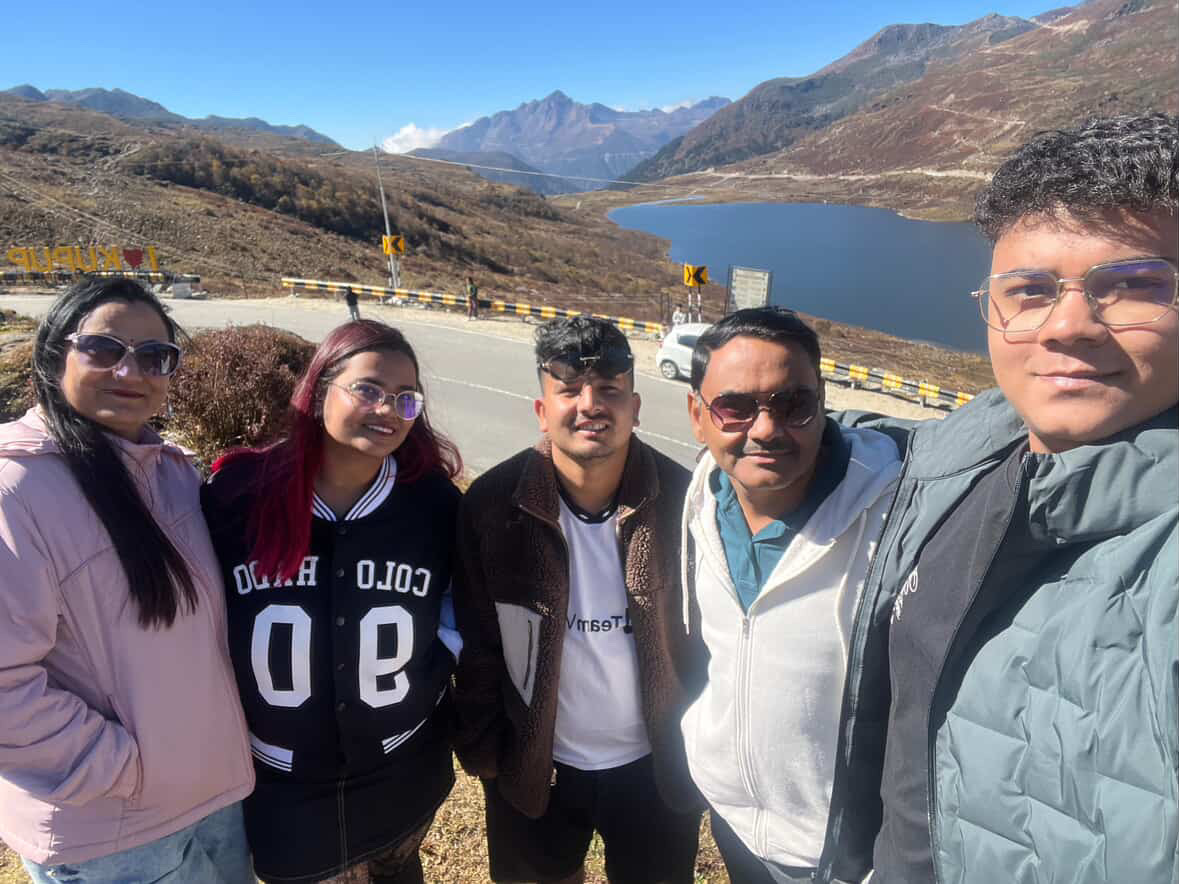
Sikkim and Darjeeling Honeymoon Tour
A scenic honeymoon route that combines Gangtok, the alpine Tshangu Lake and Baba Mandir with the classic views and tea gardens of Darjeeling.
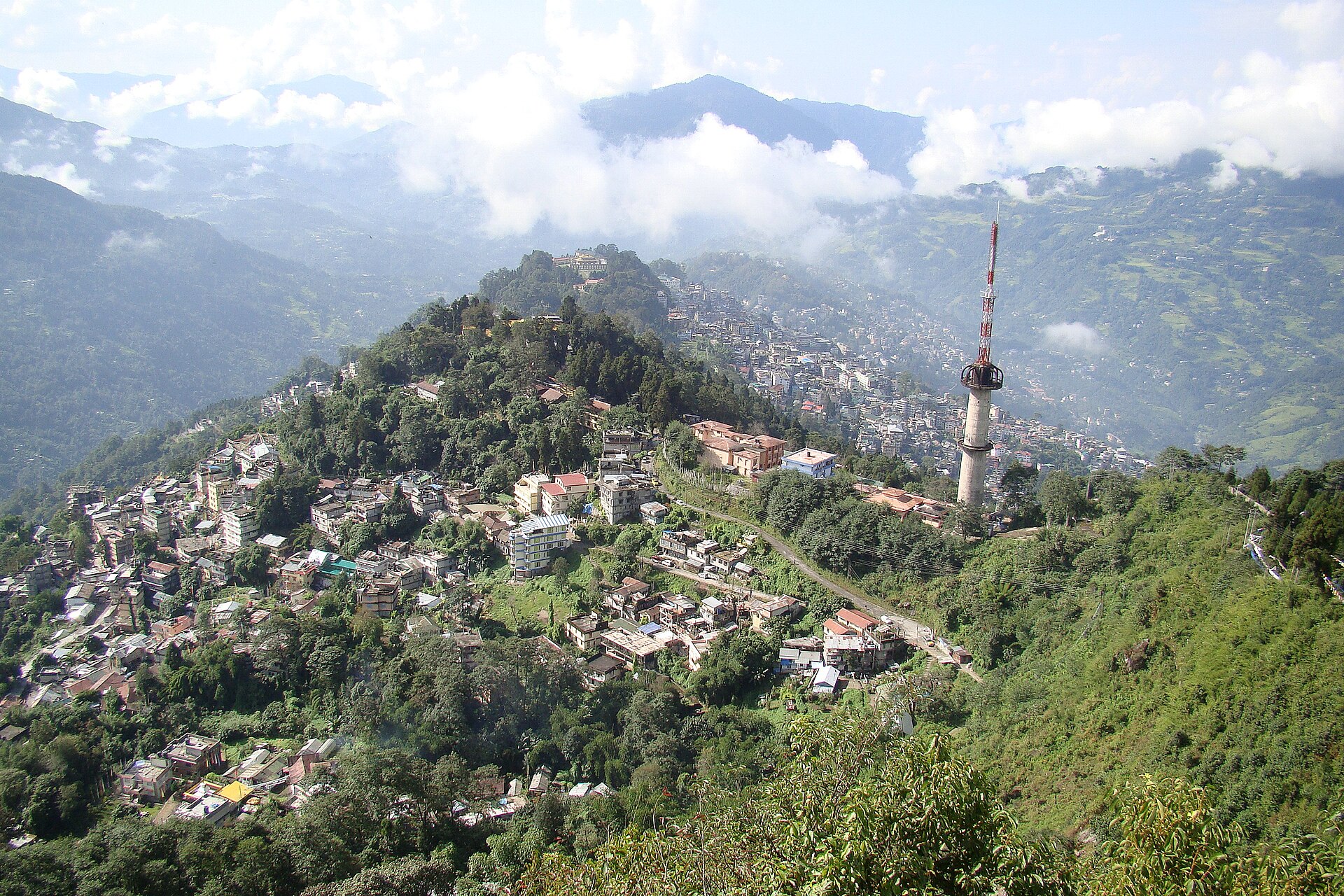
Darjeeling Leisure Tour
A relaxed Darjeeling holiday covering Tiger Hill sunrise, monasteries, Himalayan Mountaineering Institute, Peace Pagoda, and a day trip to Mirik Lake.