Wongyal Travels
North Sikkim Travel Guide: Lachen, Lachung and Yumthang Valley
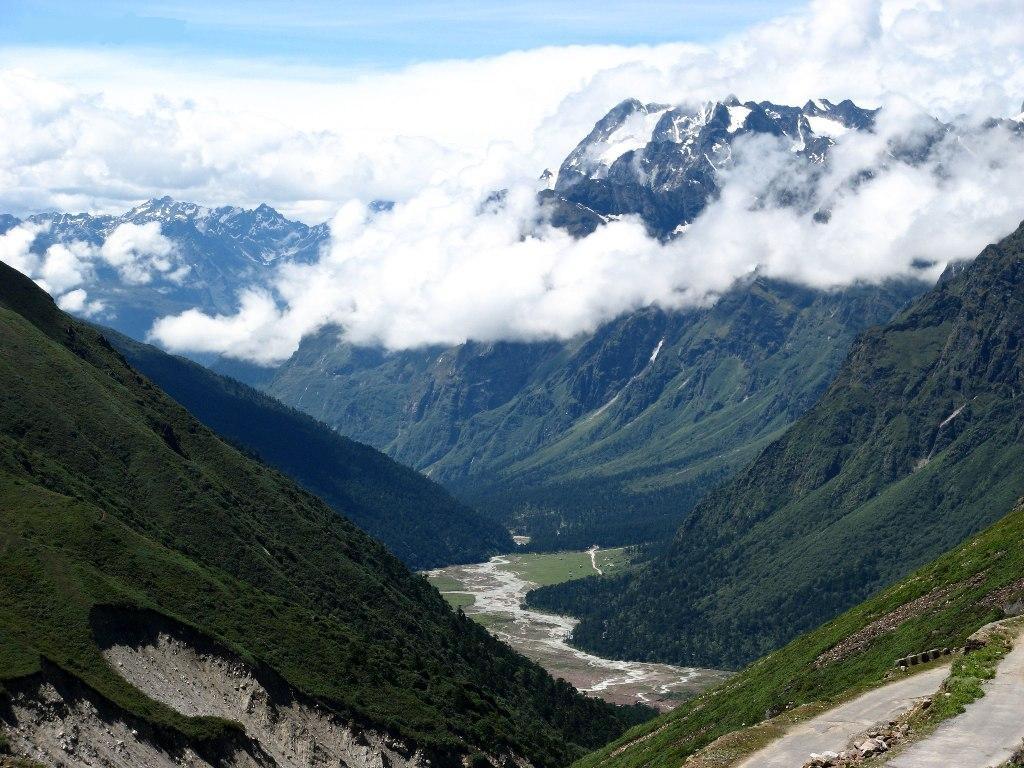
North Sikkim's classic circuit covers the village of Lachung with the Yumthang Valley of Flowers and Zero Point, plus the village of Lachen with the high, sacred Gurudongmar Lake. You reach it all by private vehicle from Gangtok over three to four days, you need a Protected Area Permit arranged through a Sikkim-registered tour operator (there is no solo or self-drive travel here), and the best windows are mid-March to June and October to November.
This is the part of Sikkim that stays with people. The roads are slow and the air is thin, but the payoff is a rhododendron valley, a road that ends in snow, and one of the highest lakes on earth. Below is how we, as a Gangtok-based family running these trips for over a decade, actually plan it: altitudes, permits, seasons, road conditions, and a realistic itinerary.
A quick note before you start: North Sikkim has no airport or railhead of its own. Everything you read about here is reached on mountain roads, and the whole region sits inside a protected border zone, which is why the permit and the registered vehicle are not optional.
The North Sikkim circuit at a glance
North Sikkim (officially Mangan district) is a high, sparsely populated region north of Gangtok. The tourist circuit rests on two valley villages that serve as overnight bases. From Lachung you visit Yumthang and Zero Point; from Lachen you visit Gurudongmar Lake. Most trips combine both.
Here are the anchor points and their altitudes, so you know what your body is walking into:
- Lachung village: about 8,900 ft (2,700 m), the base for Yumthang and Zero Point.
- Lachen village: about 8,800 ft (2,700 m), the base for Gurudongmar Lake.
- Yumthang Valley: about 11,800 ft (3,600 m), the Valley of Flowers.
- Zero Point (Yumesamdong): about 15,300 ft (4,664 m), the last civilian road-head.
- Gurudongmar Lake: about 17,800 ft (5,425 m), one of the highest lakes in the world.
Distances look small on a map, but these are mountain roads, not highways, so plan by hours, not kilometres.
Yumthang Valley and Zero Point
Yumthang is Sikkim's Valley of Flowers: a broad grassy basin on the Yumthang Chu river, roughly 24 km above Lachung and about an hour and a half up. In spring the slopes light up with rhododendron in red, pink and white, and yaks graze the meadow. There is a small hot spring near the valley, and the river and pine ridges make it beautiful even outside bloom season.
Zero Point, properly called Yumesamdong, sits about 23 km further up at roughly 15,300 ft (4,664 m), where the motorable road stops short of the border. Snow lingers here for much of the year, which is exactly the draw for many families. The air is genuinely thin, so keep this stop short, around 20 to 30 minutes.
Most drivers cover Yumthang and Zero Point together in one morning. Zero Point tends to close in deep winter, often from mid-December, and reopens around February or March depending on snow, so it is not guaranteed on every trip.
Lachen, Lachung and Gurudongmar Lake
Lachung and Lachen are traditional Lachungpa and Lachenpa villages, each still governed by its own Dzumsa, a self-run village council. Expect wooden homes, apple orchards, prayer flags and quiet monasteries such as Lachung Gompa. They are working villages, not resort towns, and that is part of the appeal.
Gurudongmar Lake, at about 17,800 ft (5,425 m), is the circuit's high point in every sense. It is sacred to Buddhists, Sikhs and Hindus, sits close to the Tibet border, and stays frozen for much of the year. Reaching it means a pre-dawn start from Lachen, usually around 3 to 4 am, over roughly 65 to 68 km that takes three to four hours each way.
One firm rule to plan around: Gurudongmar is a border-sensitive area, so foreign nationals are not permitted. It is open to Indian visitors only.
Permits: who needs one and how it works
Every visitor to North Sikkim, Indian or foreign, needs a Protected Area Permit for these valleys. It cannot be issued to a solo traveller or a self-driven car. The permit is granted only when you travel through a Sikkim-registered tour operator using a government-registered vehicle and driver, which is the standard way everyone does this trip.
- Indian citizens: carry an original government photo ID (Aadhaar, voter ID or passport) and a couple of passport-size photos. For children, carry a birth certificate or school ID.
- Foreign nationals: carry your passport and valid Indian visa, and note that foreigners must apply as a group of at least two. You can visit Yumthang and Zero Point with the permit, but Gurudongmar Lake, Nathula and other border points are off-limits.
We handle the permit paperwork for our guests; you just send clear scans of your documents a few days before travel, and we take care of the rest at the check posts.
Best time to visit North Sikkim
- Spring, mid-March to June: the postcard season. Rhododendron and primula bloom across Yumthang, peaking roughly from late April to mid-June. This is the most popular and most beautiful window.
- Autumn, October to November: fewer flowers but the clearest skies of the year, crisp air and sharp mountain views. A favourite of ours for photography and calm roads.
- Winter, December to February: heavy snow, magical for snow-lovers, but Zero Point is often shut and Lachen and Gurudongmar access depends entirely on weather. Some village services run limited.
- Monsoon, July to early September: heavy rain and frequent landslides, and permits for North Sikkim are often suspended for safety. We usually advise against these weeks.
Roads, drive times and current conditions
Be honest with yourself about the driving. Gangtok to Lachung (about 105 to 117 km) takes six to seven hours with stops on current roads; Gangtok to Lachen is similar or a little longer on the diversion route; Lachen to Lachung (about 47 km) is two to three hours. The scenery, with waterfalls the whole way, makes it easier than it sounds.
North Sikkim is still recovering from the October 2023 South Lhonak glacial lake outburst flood, which tore through the Teesta valley and damaged roads and bridges. The Lachung and Yumthang side recovered and reopened earlier; the Lachen and Gurudongmar route was closed for major repairs and has since reopened in phases, with tourist permits for Lachen resuming from March 2026. Access to Gurudongmar Lake itself has been restored in stages and can still be suspended at short notice for weather or repair work, so it is never guaranteed on a fixed date.
On the Lachen route, the single-lane Sankalang Bailey bridge over the Teesta carries one vehicle at a time on regulated timings, so your driver plans the whole day around it. Because road status shifts with weather and repair work, we reconfirm current conditions before every trip and adjust the plan if needed.
A practical 2N/3N itinerary
The comfortable, well-paced version is three nights and four days, which lets you acclimatise before the highest points:
- Day 1: Gangtok to Lachen, six to seven hours. Rest and let your body adjust.
- Day 2: Pre-dawn drive to Gurudongmar Lake, return to Lachen, then transfer to Lachung. Overnight Lachung.
- Day 3: Morning run to Yumthang Valley and Zero Point, back to Lachung. Overnight Lachung.
- Day 4: Lachung back to Gangtok.
If you are tight on time, a two-night, three-day version works but is busier:
- Day 1: Gangtok to Lachung.
- Day 2: Yumthang and Zero Point in the morning, then transfer to Lachen. Overnight Lachen.
- Day 3: Gurudongmar before sunrise, then the long drive back to Gangtok, a full day.
For foreign travellers, since Gurudongmar is not permitted, a two-night, three-day trip focused on Lachung, Yumthang and Zero Point is the natural fit.
Altitude, packing and planning your trip
Take the altitude seriously. Zero Point sits near 15,300 ft and Gurudongmar near 17,800 ft, high enough that some people feel breathless or lightheaded. Drink water, walk slowly, keep the high stops short, and skip these points if you have serious heart or lung conditions, or are travelling with infants. Carry any regular medication with you, not in the luggage on the roof.
Pack layers even in summer, plus a windproof jacket, gloves, sunscreen and sunglasses; nights in Lachen and Lachung are cold all year. Mobile network is patchy above Chungthang, so carry some cash, and expect simple but warm village stays with limited hot water and electricity.
Eleven years of running this route has taught us one thing: North Sikkim rewards a little planning, the right season, a sensible pace and permits sorted well in advance. If you send us your travel dates and who is coming, we will put together a private-vehicle plan that suits your group, arrange the permits, and keep watch on road and weather updates as your trip nears. Message us your dates on WhatsApp whenever you are ready, and we will take it from there.
Frequently asked questions
Do I need a permit for North Sikkim, and can I travel solo?
Yes, both Indians and foreigners need a Protected Area Permit for Lachen, Lachung, Yumthang, Zero Point and Gurudongmar. It cannot be issued for solo or self-drive travel; it is arranged through a Sikkim-registered operator using a registered vehicle and driver. Carry original photo ID (passport and visa for foreigners).
Can foreign nationals visit Gurudongmar Lake?
No. Gurudongmar Lake sits close to the Tibet border and is open to Indian citizens only. Foreign nationals can still visit Yumthang Valley and Zero Point with a Protected Area Permit, but not Gurudongmar, Nathula or other border points.
What is the best month to see the Yumthang Valley of Flowers?
Rhododendrons peak roughly from late April to mid-June, so mid-spring is prime bloom time. October and November bring fewer flowers but the clearest mountain views. Avoid July and August, when monsoon landslides often close roads and suspend permits.
How high is Zero Point, and will I feel the altitude?
Zero Point (Yumesamdong) is about 15,300 ft (4,664 m) and Gurudongmar Lake about 17,800 ft (5,425 m). Some visitors feel breathless or lightheaded at these heights. Go slowly, stay hydrated, keep visits short, and skip these points if you have serious heart or lung conditions.
How many days do I need for North Sikkim?
Three nights and four days is ideal to cover both Yumthang and Zero Point from Lachung plus Gurudongmar from Lachen at a comfortable pace. A tighter two-night, three-day trip is possible. Foreign travellers, who cannot visit Gurudongmar, are well suited to two nights and three days on the Lachung side.
Is North Sikkim open again after the 2023 floods?
Largely yes. Lachung and Yumthang reopened earlier, and the Lachen and Gurudongmar route has reopened in phases, with tourist permits for Lachen resuming from March 2026. Gurudongmar access has been restored in stages but can still be suspended for weather or repairs, so current status should be reconfirmed before finalising dates.
Planning this trip?
Wongyal Travels is a Gangtok-based team with 11+ years arranging Sikkim and Darjeeling trips. Send your dates and group size for a practical plan and quote.